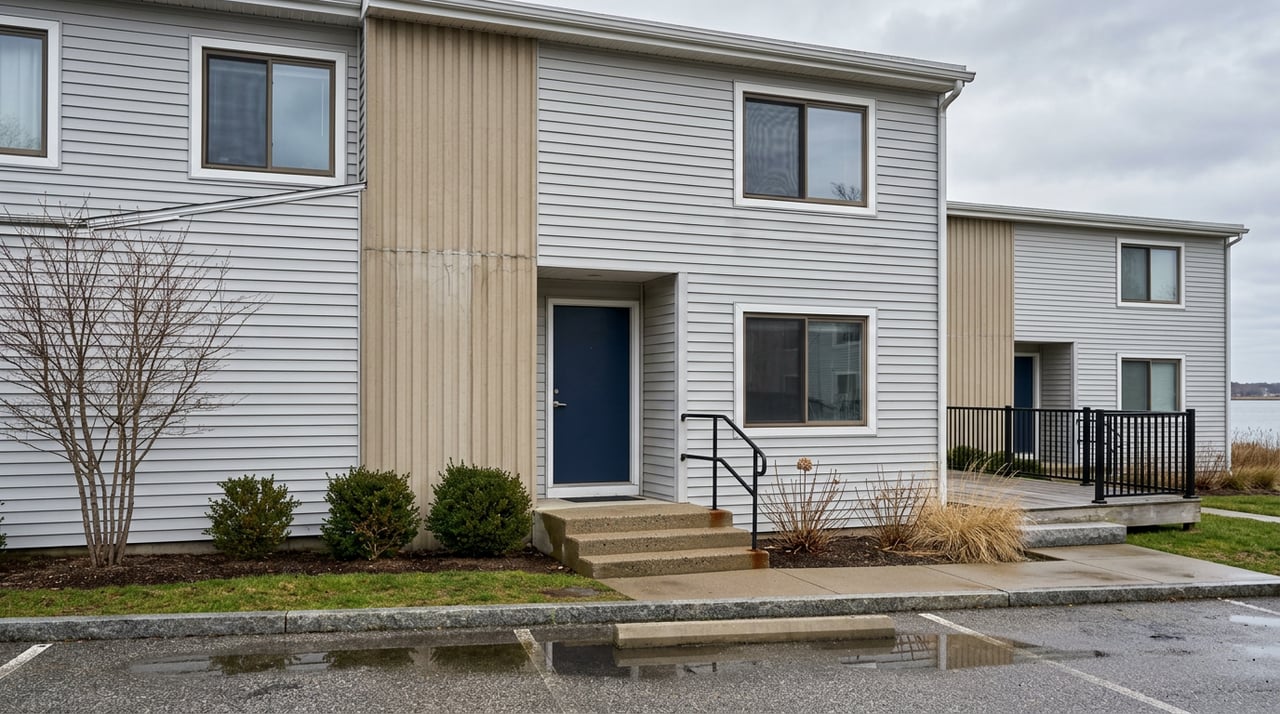
Trying to choose between New Haven and Hamden for your first home? You are not alone. Both offer real benefits, but the right fit depends on how you want to live day to day, what you can afford, and how much space you need. In this guide, you will compare prices, home types, commute options, taxes, and lifestyle, then use a simple checklist to narrow your search with confidence. Let’s dive in.
Quick snapshot: New Haven vs. Hamden
- New Haven gives you close-in, walkable living near major employers like Yale and Yale New Haven Health. Downtown has a very high Walk Score, frequent buses, and rail at Union Station, which suits buyers who value car-optional living and nightlife. See New Haven’s Walk Score.
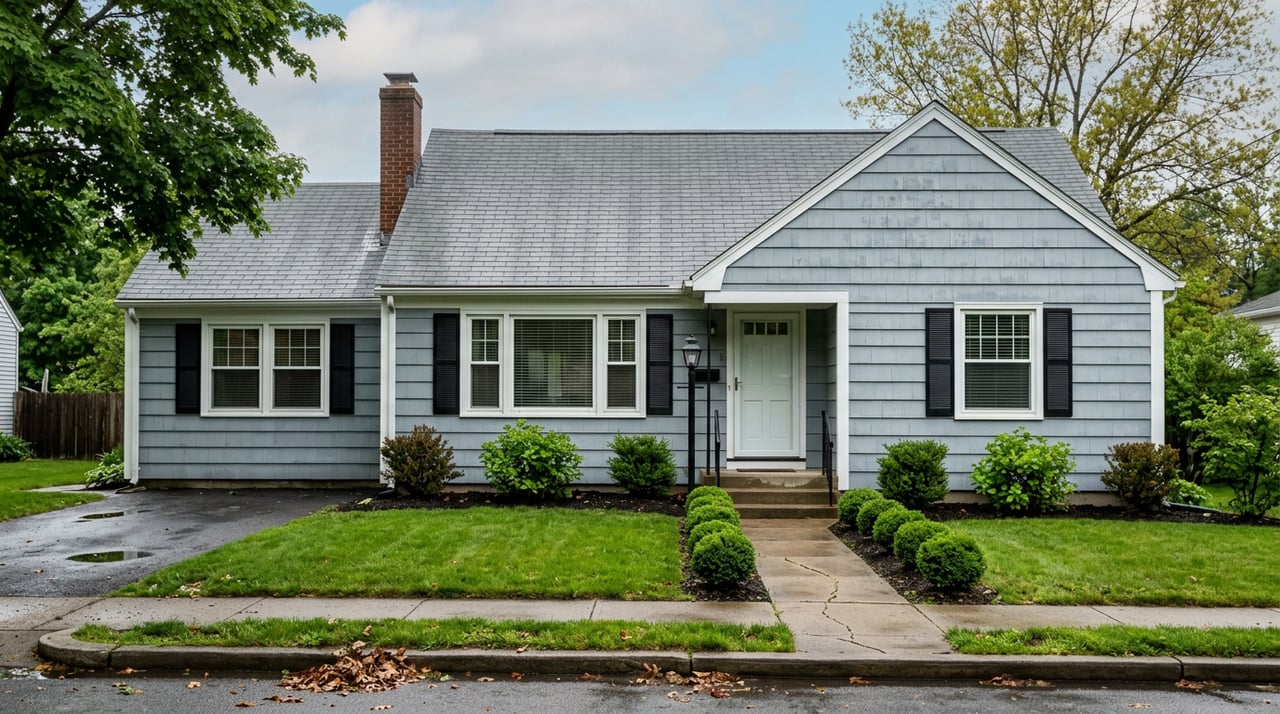
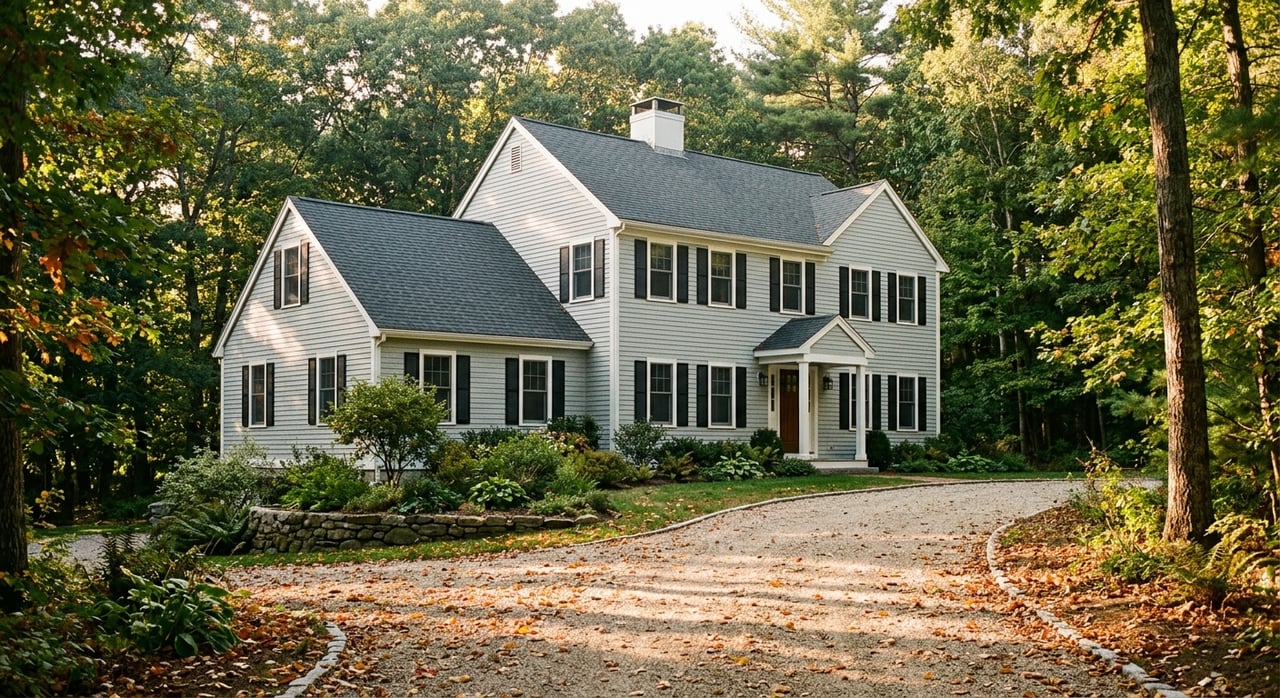
- Hamden feels more suburban with a large share of single-family homes, easier parking, and quick access to parks like Sleeping Giant and West Rock. You often get more square footage and yard for a similar or modestly higher purchase price based on recent market snapshots.
- Price patterns vary by neighborhood in both places. New Haven medians have recently hovered around the upper $200Ks to low $300Ks depending on the data source and month, while Hamden tends to land in the mid $300Ks in recent snapshots. Always verify the latest numbers before you write your offer.
What you get for your budget
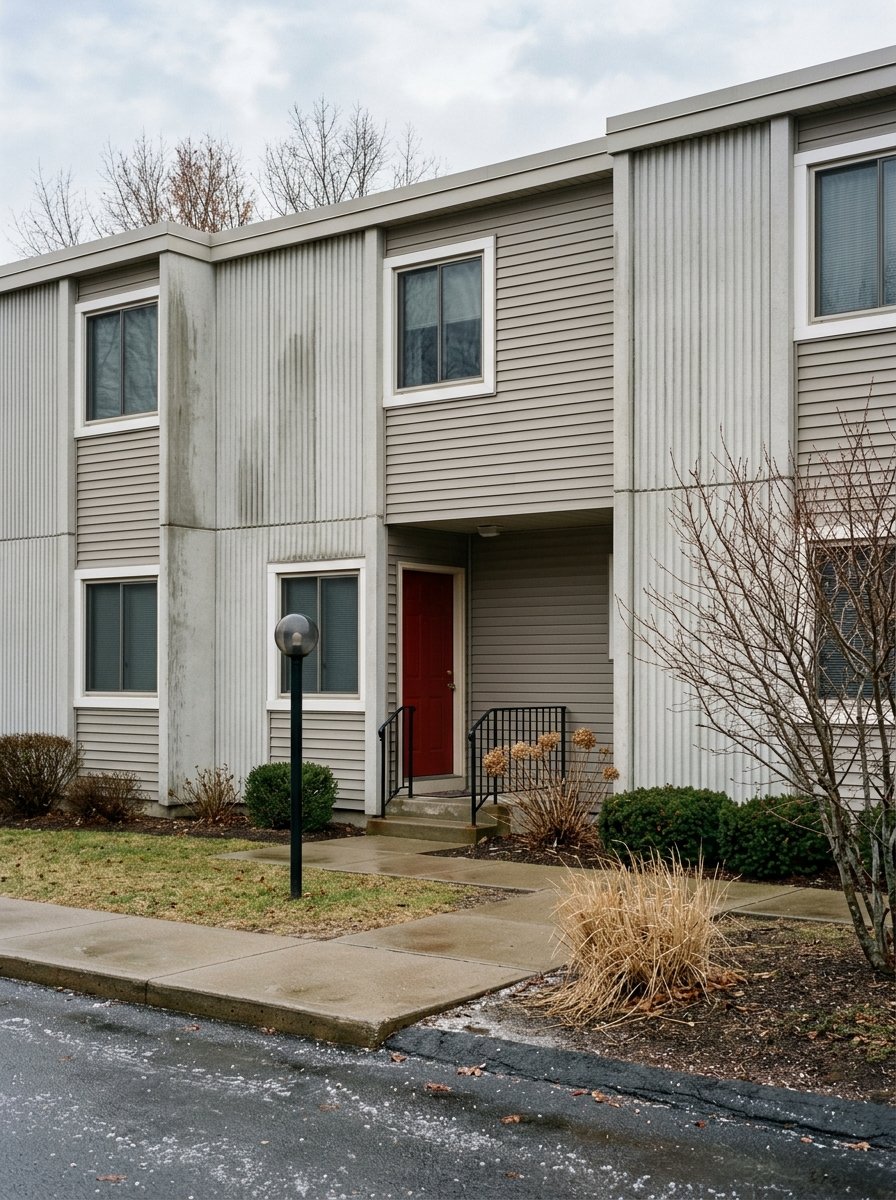
- Under about $300K: In New Haven, expect smaller condos, some 1-bedroom options, and select multi-family opportunities that may need updates. Single-family choices at this price are limited.
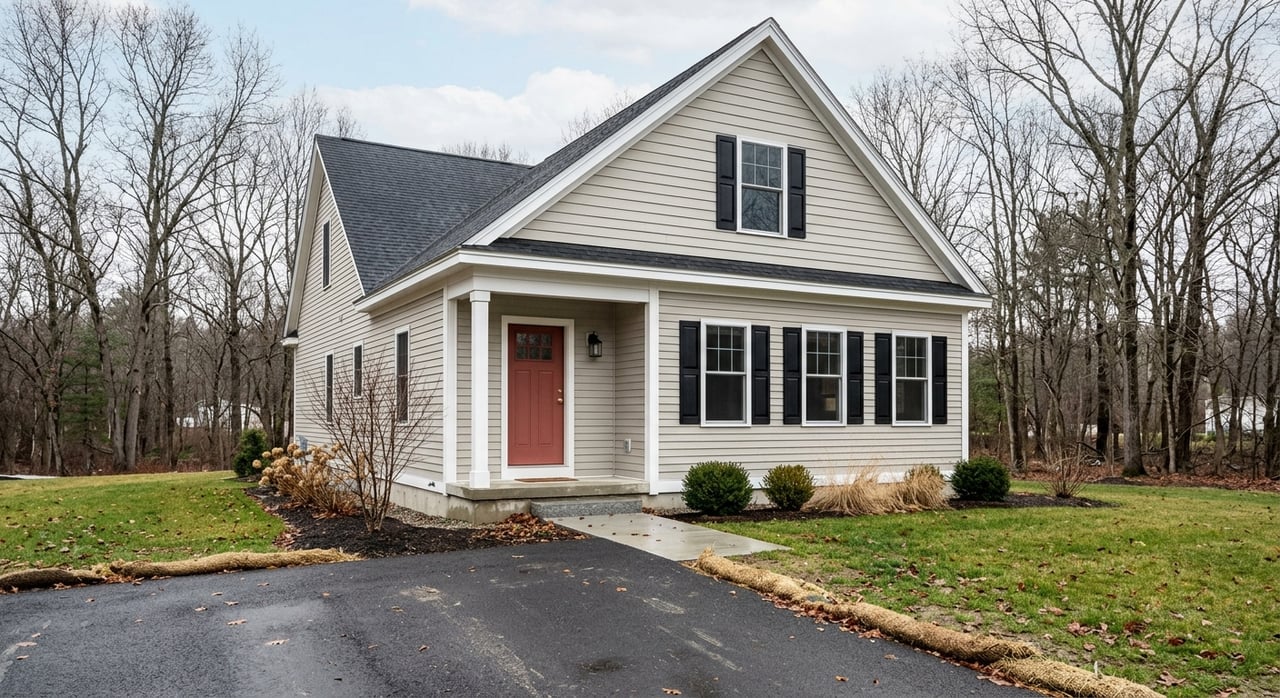
- Mid $300Ks: You will likely find more single-family options in Hamden, often with a yard, driveway or garage, and more interior space. Some New Haven neighborhoods also offer options in this range, especially outside the downtown core.
Home types and upkeep
New Haven: Variety, age, and inspections
New Haven’s housing stock is diverse: downtown condos and newer infill options, many pre-1950 multi-family buildings, and rowhouses. The city has a high share of older homes, which can affect inspections, planning, and upkeep. A recent city planning report notes that a large portion of units were built before 1950, which underscores the need to budget for potential system updates and code considerations. Read local context on New Haven’s older housing.
What to watch:
- Plan thorough inspections for structure, electrical, heating systems, and environmental items like lead paint in older homes.
- If you plan to owner-occupy a multi-family, review local rental requirements and consider ongoing maintenance needs.
Hamden: Single-family focus and space
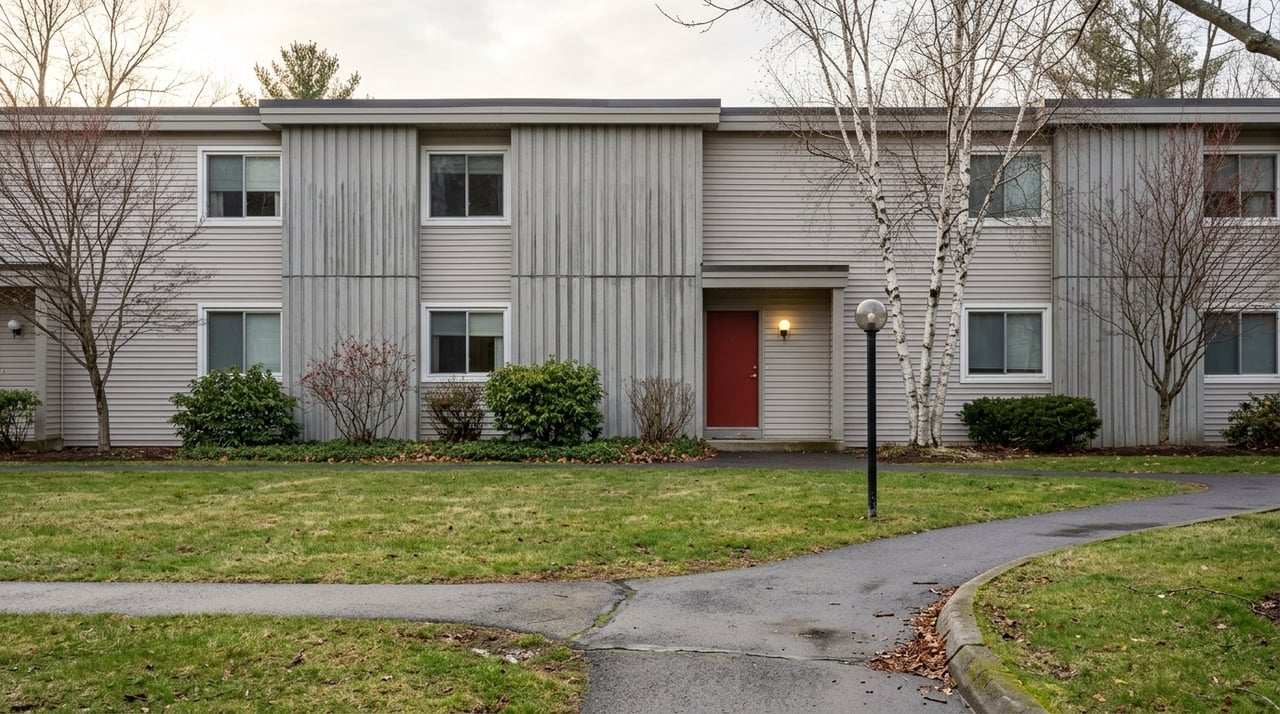
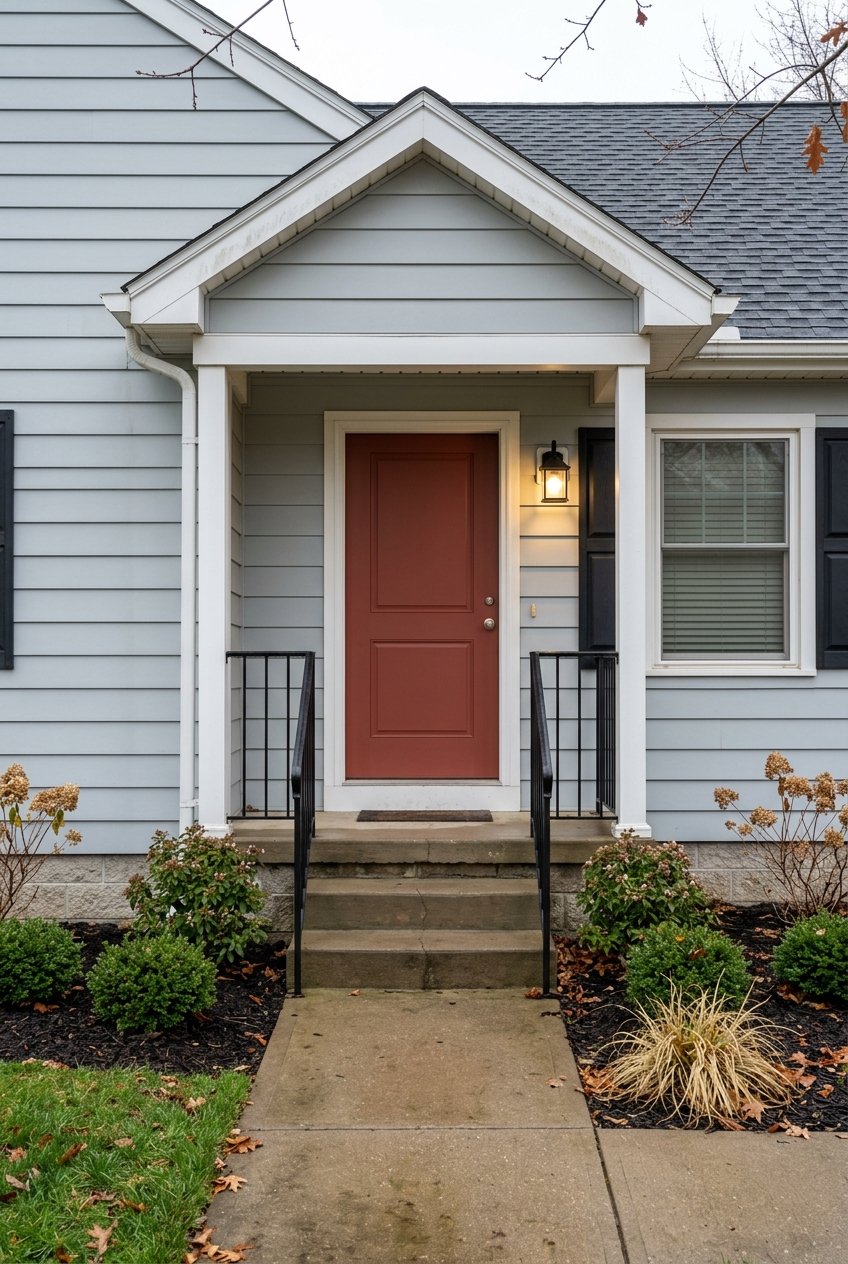
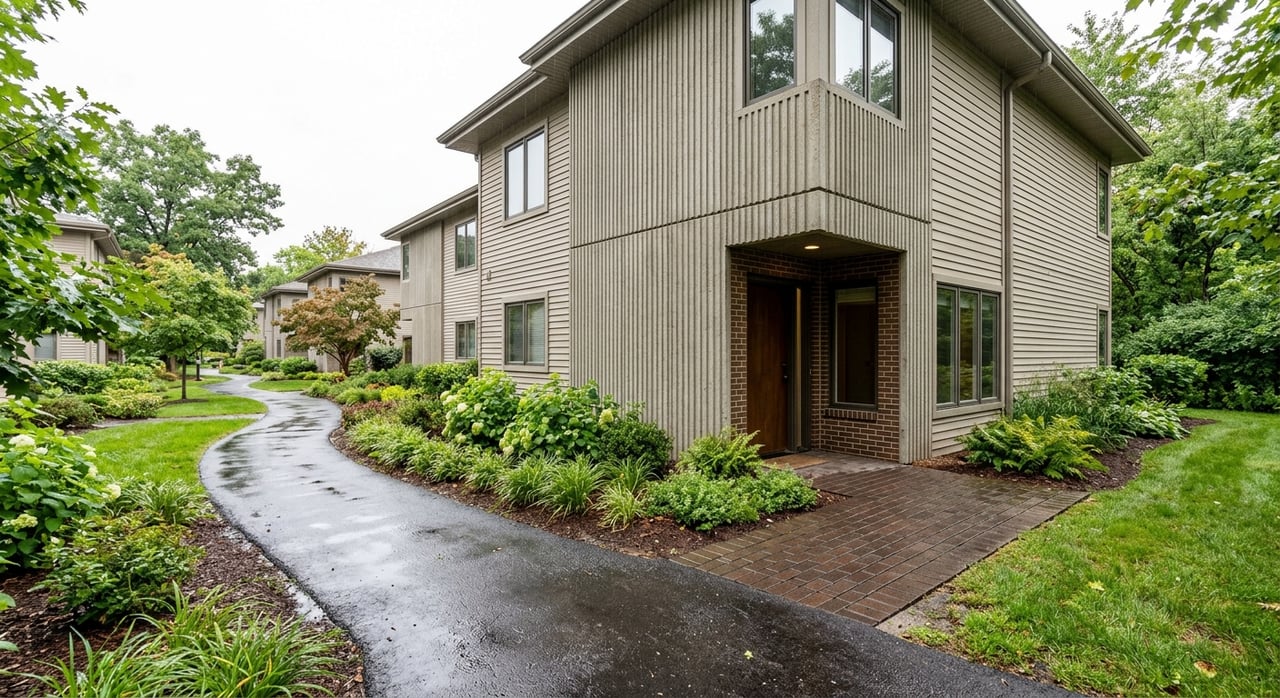
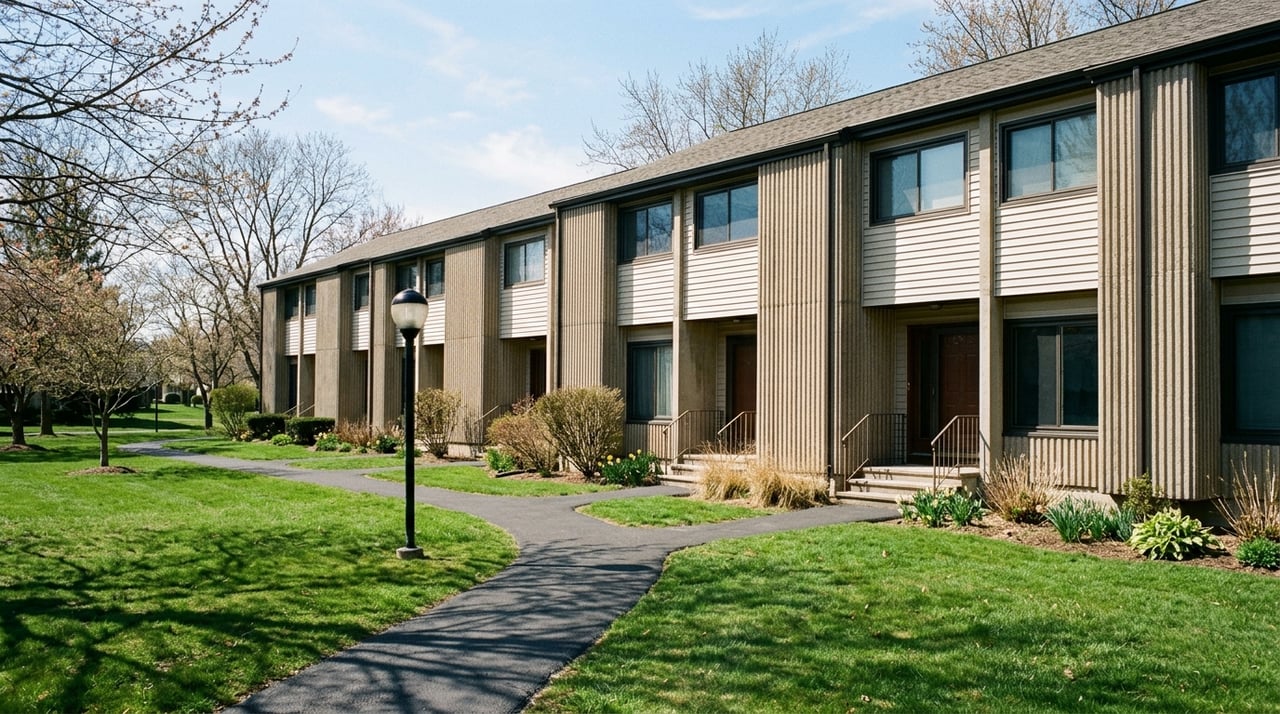
Hamden is predominantly single-family, with many mid-20th-century homes and townhouse or condo communities sprinkled in. Yards, garages, and off-street parking are common, which appeals if you want space and easy car ownership. See an overview of Hamden’s housing profile.
What to watch:
- Confirm whether a property is on public sewer or septic and plan inspections accordingly.
- If buying a condo or townhouse, review HOA rules, fees, and reserves.
Neighborhood feel and daily life
New Haven: Walkable, transit-rich, and lively
If you value walking to coffee, restaurants, and cultural events, downtown and nearby neighborhoods deliver. New Haven’s core is highly walkable and well served by buses and rail. Check New Haven’s Walk Score. If you commute by train or want flexibility to get to NYC or Hartford, being close to Union Station is a major plus.
Families and anyone comparing schools should evaluate specific school profiles and district programs. You can start by reviewing public school data and magnet options, then compare school-by-school performance. As a reference point, you can browse a sample profile like New Haven Academy on Niche, then dig into official state report cards for any school you are considering.
Hamden: Suburban pace and outdoor access
Hamden’s village neighborhoods, such as Whitneyville, Spring Glen, and Mount Carmel, offer a calmer, suburban feel. You get quick access to Sleeping Giant State Park and West Rock Ridge for hiking and fresh air. For a sense of statewide park programming and access, see a recent CT DEEP ParkConnect announcement. Car ownership is more common, and daily life often revolves around local shops on Whitney Avenue and Dixwell Avenue, with quick connections into New Haven when you need them.
Commute, transit, and parking
- Commute times are similar on average. Census data shows mean travel time to work is about 21.5 minutes in New Haven and about 21.8 minutes in Hamden, though your exact route matters. See Census QuickFacts.
- Transit access is stronger in central New Haven. You have Amtrak, Metro-North, and CTrail Shore Line East at Union Station plus many CTtransit routes. Hamden is served by CTtransit lines that run into New Haven, and many residents drive to reach rail. To get a feel for schedules, view a sample CTtransit route schedule PDF.
- Parking is the tradeoff. Downtown New Haven offers walkability but can mean structured parking or permits. Hamden typically offers easier on-street options and driveways or garages.
Taxes and monthly costs
- Property taxes: Hamden lists a FY25 mill rate of 51.88 mills for real and personal property. Always confirm current assessed value and the mill rate before you finalize your budget. You can review the town profile for updates at the CCM Hamden page. New Haven’s property taxes vary by the adopted annual mill rate and your assessment, so check the City of New Haven assessor or finance pages for the latest figures.
- Owner costs: Census QuickFacts shows median selected monthly owner costs with a mortgage at about $2,157 in New Haven and about $2,402 in Hamden. These figures help you compare total carrying costs, though current market conditions and your loan terms will affect your payment. Explore New Haven QuickFacts.
- Other recurring items: Budget for homeowners insurance, utilities, and HOA fees for condos or townhouses. In shoreline or low-lying areas of New Haven, review flood maps and potential flood insurance needs.
Decision checklist for first-time buyers
Use this quick framework to choose with clarity.
- Rank your top 3 to 5 priorities
- Walkability, nightlife, and transit access
- Yard, garage, and easy parking
- Public school programs and boundaries
- Commute to a specific employer, like Yale or Yale New Haven Health
- Use tools like Walk Score and a simple drive-time radius from your workplace to filter options.
- Align budget with likely options
- Under about $300K: Focus on New Haven condos or select multi-family opportunities that may require updates.
- Mid $300Ks: Expect more single-family choices in Hamden, plus options in several New Haven neighborhoods.
- Walk the neighborhood
- Can you walk to weekly groceries, coffee, and a bus stop or train connection?
- Visit at different times to gauge noise, traffic, and overall upkeep.
- If you own a car, confirm street permits, driveway or garage details before you bid.
- Tighten due diligence
- Older New Haven homes often merit extra attention for structure, electrical, heating systems, and potential lead paint. See local context on older housing.
- In Hamden, confirm public sewer versus septic. For condos or townhouses, review HOA rules, fees, and reserves.
- Think about resale
- Central, walkable New Haven locations typically see steady renter and young professional demand over time.
- Single-family homes in Hamden often appeal to a wide pool of future buyers who value space and parking.
Which one is right for you?
Choose New Haven if you want a walkable lifestyle near Yale, frequent transit, and a shorter hop to rail, with condo and multi-family options that can fit starter budgets. Choose Hamden if you want a single-family layout, more interior and yard space, and simpler parking, with quick access to parks and local village centers. Either way, your best next step is to clarify your top three priorities, confirm your approved budget, and tour a few neighborhoods back to back.
If you are ready to compare homes on the ground, get expert guidance, and line up trusted lender, inspection, and insurance referrals, reach out to Clare Guest. Schedule a free consultation and start your first-home search with confidence.
FAQs
How affordable is New Haven for first-time buyers in 2026?
- Recent snapshots show median sale prices around the upper $200Ks to low $300Ks depending on the source and month. Inventory varies by neighborhood, so a strong pre-approval helps you act fast when the right place hits the market.
How do commute times compare between New Haven and Hamden?
- Census data shows similar mean commute times citywide, about 21.5 minutes in New Haven and about 21.8 minutes in Hamden. Your exact neighborhood and route will determine your daily experience. See New Haven QuickFacts.
What are property taxes like in Hamden vs. New Haven?
- Hamden’s FY25 mill rate is listed at 51.88 mills. New Haven’s rate varies by the city’s adopted budget year and your assessment. Always verify current assessments and mill rates with the local assessor or finance offices. View Hamden’s town profile.
What should I watch for with older New Haven homes?
Can I live car-free in Hamden?
- Some neighborhoods have CTtransit service into New Haven, but Hamden is more car-dependent on average. Expect to drive or take a bus to reach Union Station for rail. View a sample CTtransit schedule to see how service works.
How should I evaluate schools in New Haven and Hamden?
- Both districts include a mix of programs. Review specific school profiles and official state report cards to match your priorities. As a starting point, you can browse a sample profile like New Haven Academy on Niche and then compare schools you are considering.