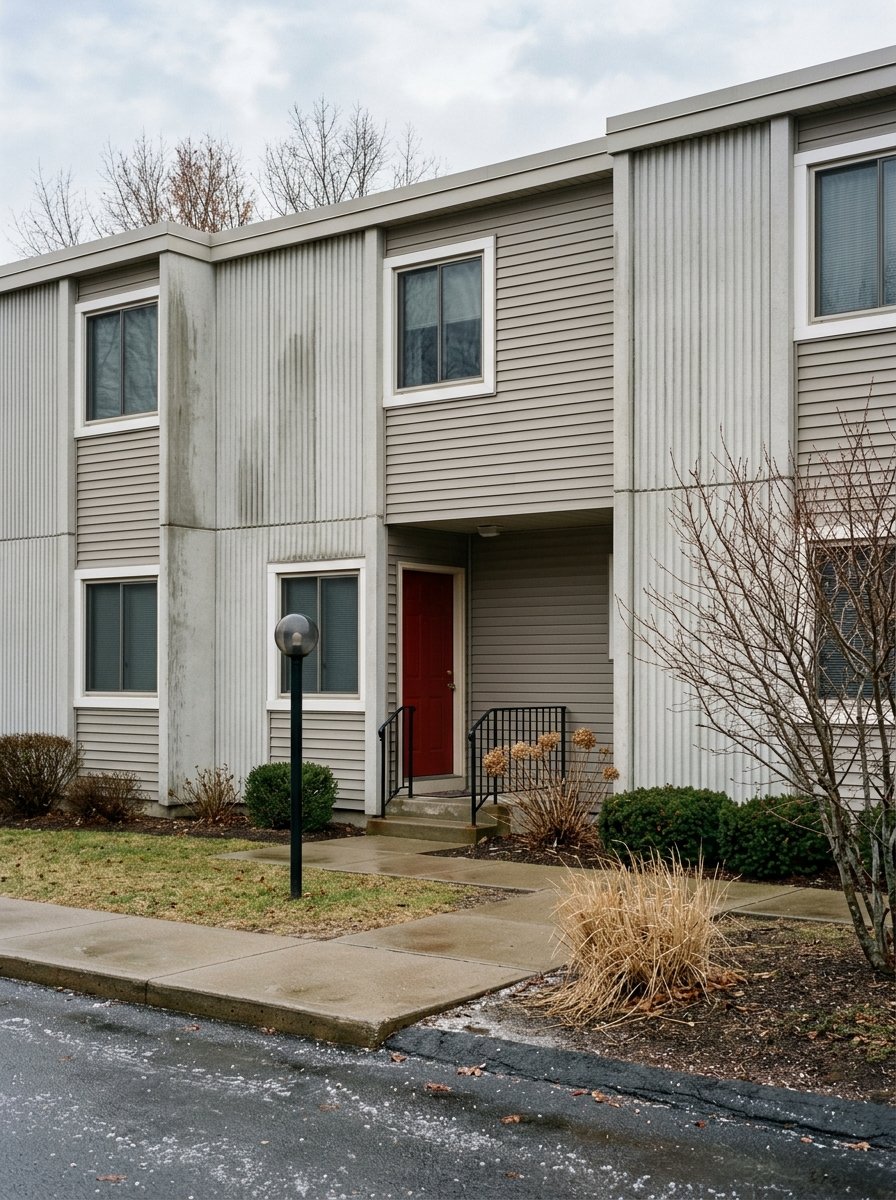
Your Guide to New Haven CT Multi Family Investing
April 16, 2026
April 16, 2026
If you have been thinking about buying a duplex, triplex, or four-family in New Haven, you are looking at a market where rentals are a major part of the housing story. That can make multi-unit investing appealing, especially if you want rental income, a live-in investment, or a first step into building long-term wealth. The key is knowing how New Haven works before you run the numbers, and that is exactly what this guide will help you do. Let’s dive in.
New Haven is a renter-heavy city, which matters if you are considering a multi-unit property. According to Census QuickFacts, the owner-occupied housing rate is 28.4%, and city data reports that 72% of residents rent. That level of renter demand is one reason investors keep New Haven on their radar.
The city also reports a 3.10% rental vacancy rate, which suggests a relatively tight rental market. At the same time, the average rent reported by the city is $2,046, while recent market trackers show similar pricing in the low-to-mid $2,000s. Zillow’s rental market trends for New Haven put the April 2026 average at $1,975, while Zumper’s New Haven rent research shows a median of $2,150.
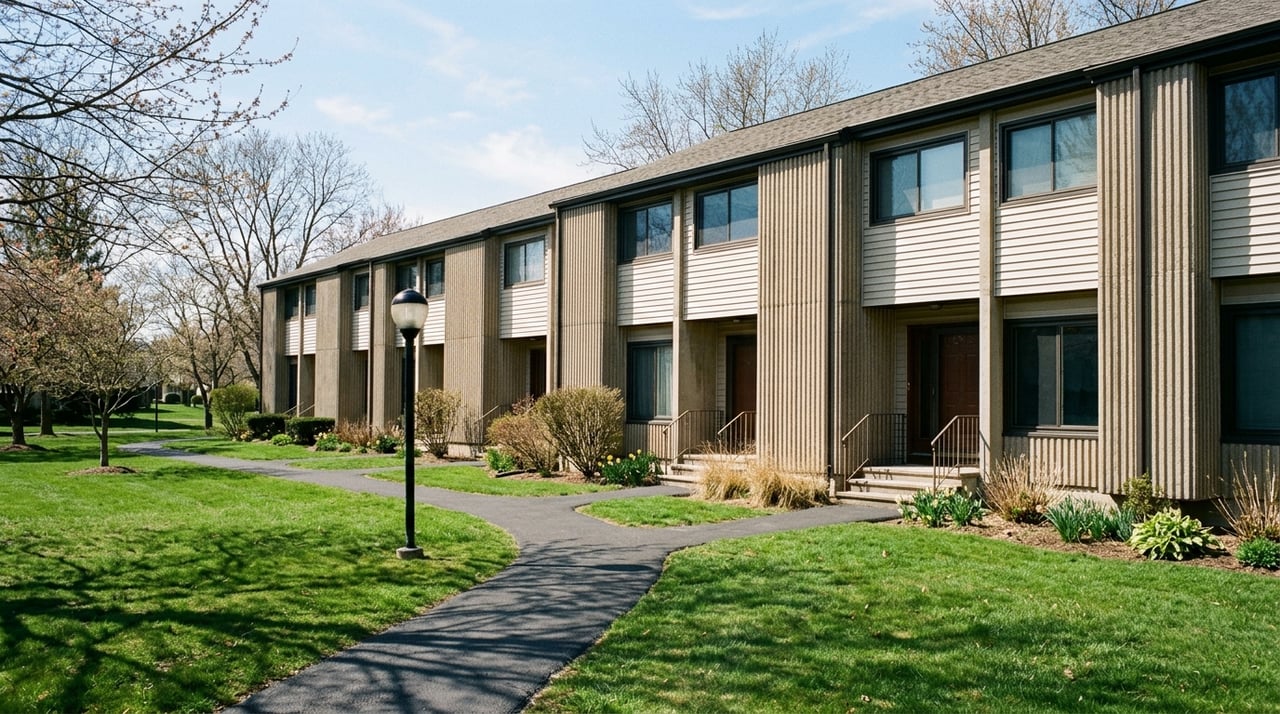
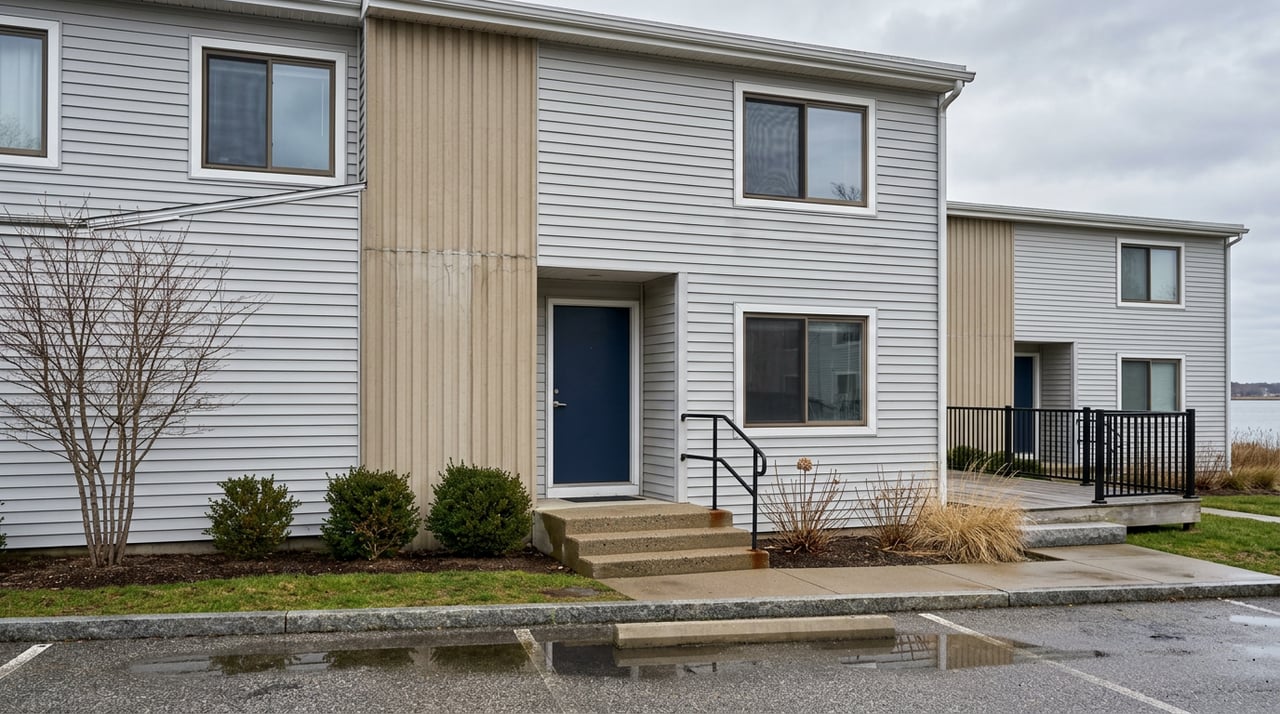
If you are a first-time investor, it helps to know that 2-4 unit properties are not unusual here. A city housing analysis shows that about 44% of housing units are in 2-4 unit structures. Another 13% are in 5-19 unit buildings, and 20% are in buildings with 20 or more units.
That means duplexes, triplexes, and four-family homes are a central part of New Haven’s housing stock, not a niche corner of the market. For you, that can create more opportunities to find a property type that matches your budget and goals. It also means you should be ready to compare buildings carefully, because condition, layout, and rent potential can vary a lot.
One of the biggest mistakes new investors make is using one citywide rent number for every deal. In New Haven, neighborhood-level rent differences are large enough to change your underwriting.
Based on Zumper’s neighborhood rent data, average rents vary by area:
This does not mean every unit in a given area will achieve those numbers. Unit size, condition, updates, parking, and building style all affect rent. Still, these benchmarks can help you ask better questions when reviewing a property.
Strong renter demand does not mean you can ignore future competition. The city says that 1,500 new housing units came online in 2025 and another 5,800 are in the pipeline. That is an important part of the New Haven investing picture.
For you, this means the long-term rental story may still be strong, but some submarkets could face more lease-up pressure than others. If you are evaluating a building, it is smart to think beyond today’s rent roll and ask how the property will compete if more updated units enter the market nearby.
You do not need a complex spreadsheet to screen your first deal. A clear first-pass analysis can help you decide whether a property deserves a deeper look.
A practical framework is:
Then you compare that NOI to the purchase price and your expected debt service. In New Haven, this matters even more because it can be easy to overestimate cash flow if you rely on best-case rent assumptions or underestimate costs like repairs and taxes.
Even in a tight rental market, every property needs a vacancy reserve. The city’s reported 3.10% vacancy rate is helpful context, but lease-up risk still depends on your unit condition, pricing, and location. A property with outdated units or deferred maintenance may not perform like a cleaner, better-positioned building.
Repair reserves also deserve real attention in New Haven because the housing stock is older and varied. If you are buying a 2-4 unit property, do not assume current rents or current occupancy tell the full story. A building that needs work can affect leasing speed, maintenance costs, and your early cash flow.
Property taxes can materially affect your return. According to the New Haven Tax Collector Division, the city’s 2024 Grand List real estate mill rate is 39.40, and property is assessed at 70% of fair market value.
For you, that means tax estimates should be part of your analysis from day one. A deal that looks strong on gross rent alone may feel very different once you plug in actual taxes along with insurance, maintenance, and reserves.
New Haven actively regulates rental properties, so compliance is not something to leave for later. The city’s Residential Rental Business License Program requires licenses for non-owner-occupied 2-3 family properties and for 4+ unit properties. Owner-occupied 2-3 family dwellings are exempt.
The city states that the program is designed to identify deficiencies, and rental dwelling units are inspected. That means if you are buying a non-owner-occupied building, licensing and inspection status should be part of your due diligence before closing, not after.
New Haven also has active housing oversight beyond licensing. The city’s Housing Code Enforcement division can inspect dwellings and refer unresolved matters to Housing Court. The Fair Rent Commission can also review rents alleged to be excessive or unconscionable.
For you, the takeaway is simple: operations matter. Tenant communication, property condition, and compliance should all be part of how you evaluate a building, because they can affect both your costs and your long-term ownership experience.
If you plan to live in one unit, a small multi-unit can be a more accessible way to get started. According to HUD loan guidance, FHA loans can be available with as little as 3.5% down on 1-4 unit properties.
That is one reason owner-occupied duplexes, triplexes, and four-family properties are often a common first move for newer investors. Living in one unit while renting the others may help you enter the market with a lower down payment than a fully non-owner-occupied investment purchase.
Before you rely on projected income, verify the basics. In a market like New Haven, a good-looking listing does not replace careful review.
Use this checklist as a starting point:
If unit count or use is unclear, the city says buyers, lenders, and real estate professionals often use a zoning compliance letter during due diligence. The city also notes that the letter is advisory only and does not certify the absence of violations, so it is one step in the process, not the whole process.
When you are just getting started, it helps to keep your goals simple. Ask yourself whether you want monthly cash flow, long-term appreciation, an owner-occupied setup, or a property you can improve over time. Your answer will shape what kind of building makes sense for you.
In New Haven, many first-time investors do best when they focus on a manageable property size, realistic rent assumptions, and clear due diligence. A smaller multi-unit with strong fundamentals can be a better first investment than a larger property that looks exciting on paper but brings more risk than you want.
The right team can save you time and protect you from avoidable mistakes. If you are comparing submarkets, trying to estimate achievable rents, or deciding whether a building fits your goals, having local guidance matters.
Clare Guest helps buyers and investors navigate opportunities with clear communication, strong transaction management, and practical local insight. If you are thinking about buying a multi-unit in New Haven and want help sorting through the numbers, property types, and next steps, you can schedule a free consultation with Clare Guest.
Stay up to date on the latest real estate trends.


Clare is dedicated to making luxury real estate transactions smooth and rewarding. Her focus is on client satisfaction and delivering exceptional results. Contact Clare today for an unparalleled real estate experience.