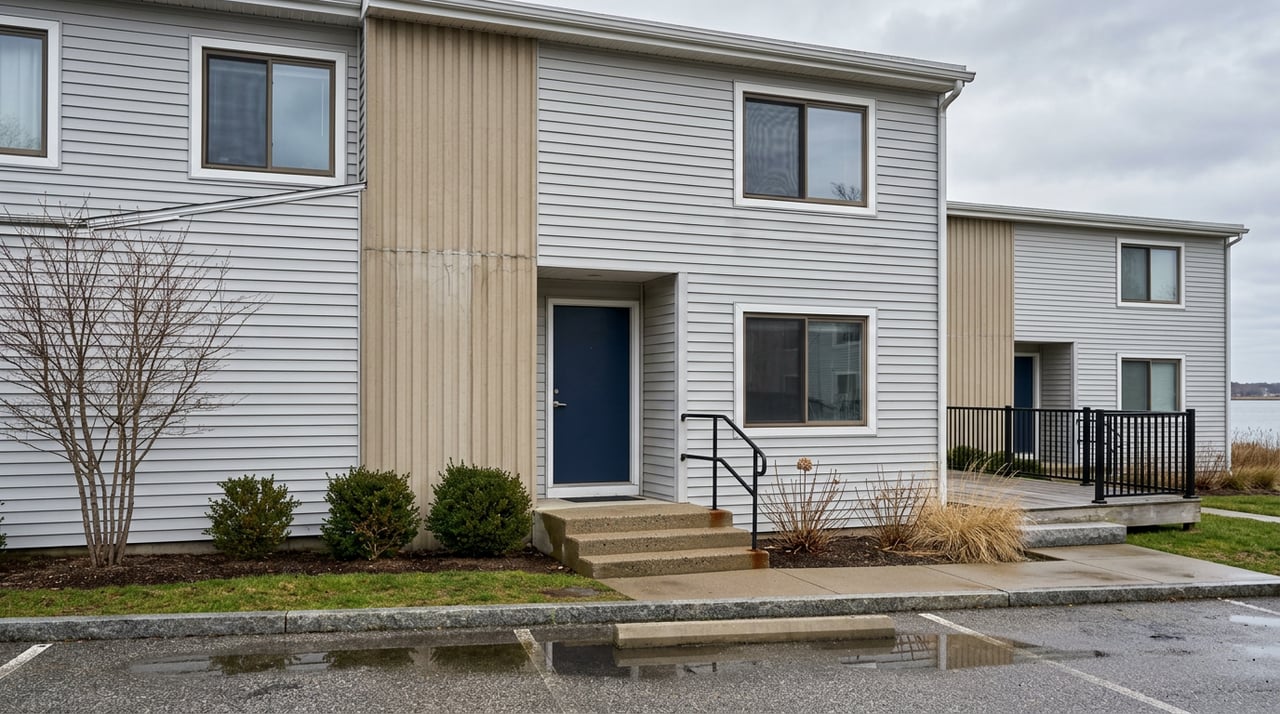
Craving a place by the waves in Westbrook but unsure whether a condo or a resort-style option fits you best? You’re not alone. Between beach associations, flood maps and financing rules, the details can feel overwhelming. In this guide, you’ll learn how condos compare with timeshares, fractionals and condo-hotels near Westbrook beaches, plus what local rules mean for your costs, usage and resale. Let’s dive in.
Condo vs. resort: how ownership works
Condos in Connecticut
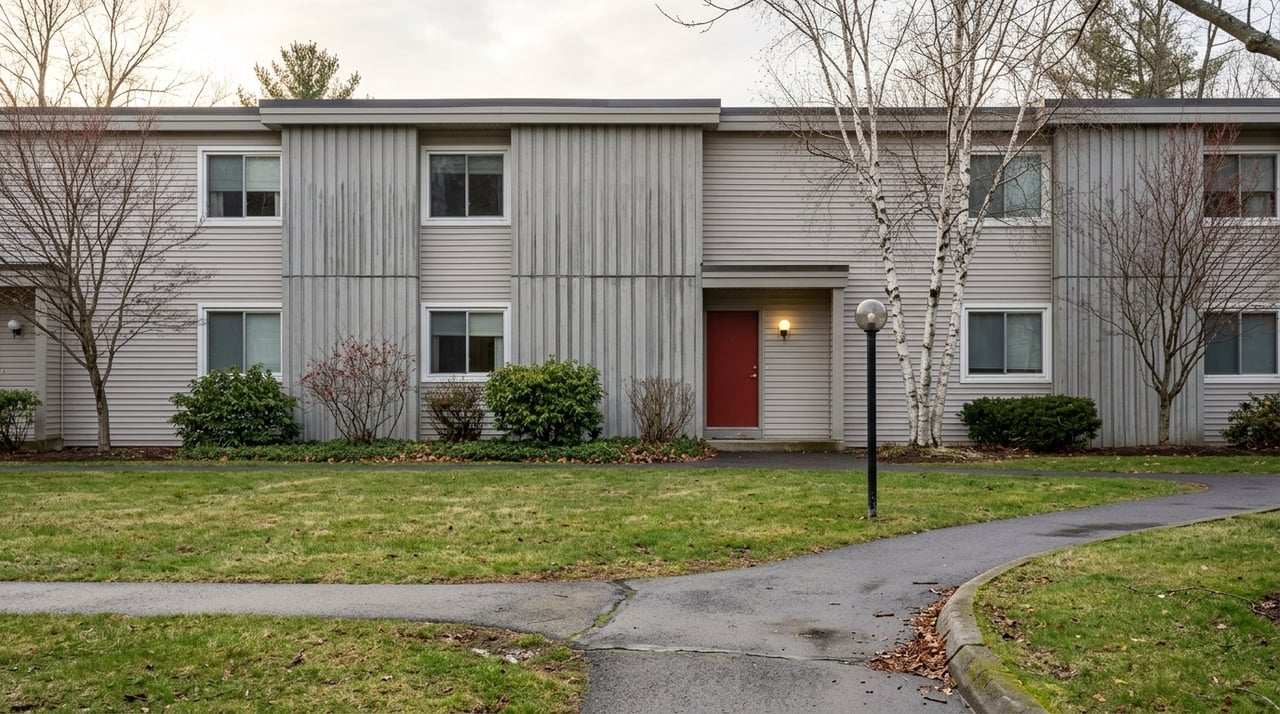
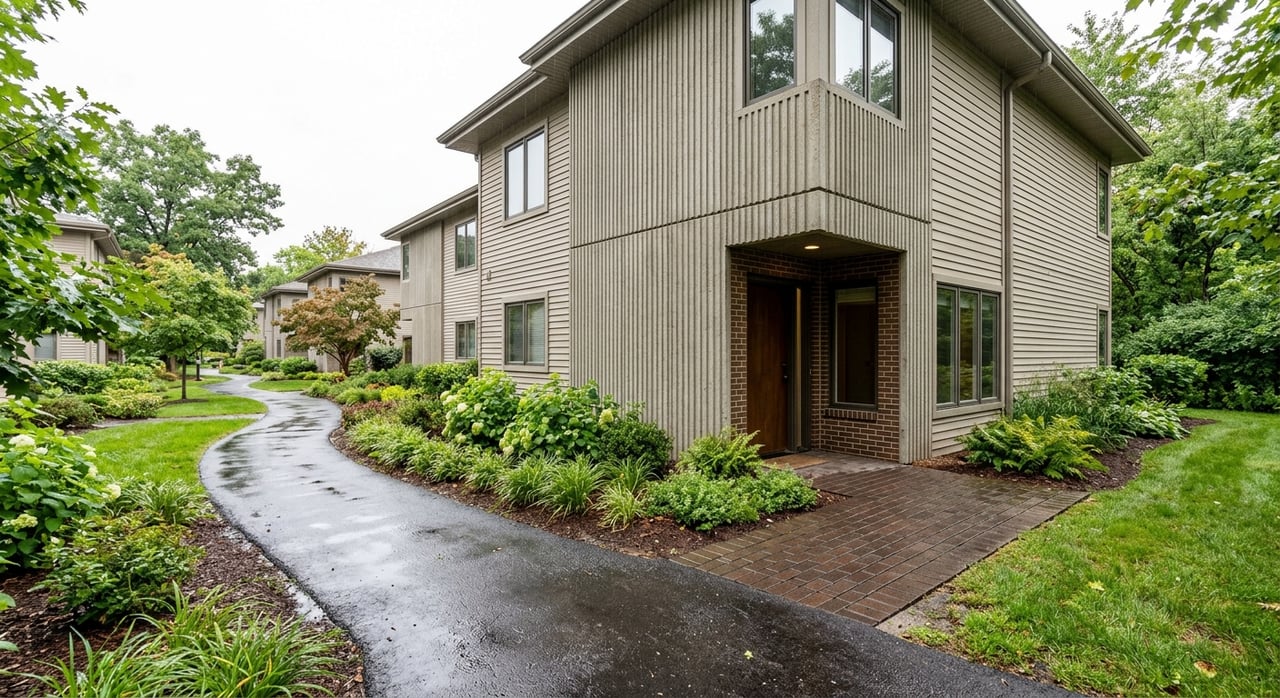
A condominium gives you individual ownership of your unit plus shared ownership of common areas through an association. The association manages rules, maintenance, budgets and a master insurance policy. Connecticut’s Common Interest Ownership laws define how condos are created and run, so you should review the recorded declaration, bylaws, budget and reserves before you buy. You can find the governing framework in the state’s Common Interest Ownership Act.
Resort options: timeshare, fractional and condo-hotel
- Timeshare: You purchase the right to use a unit for specific weeks or points, not full ownership of a whole unit. Timeshares sold in Connecticut are regulated, with disclosures and registrations overseen by the Department of Consumer Protection. See the DCP’s timeshare guidance.
- Fractional ownership: A small number of owners hold deeded shares and receive more weeks per year, with a closer link to real estate value than a typical timeshare. Learn more about the structure of fractional ownership.
- Condo-hotel: Legally a condo, but operated like a hotel with on-site management and rental programs. These “condotels” blend deeded ownership with a hospitality operation. See a primer on condo-hotels.
How your choice affects daily life
- Control and governance: In a condo, you vote in the HOA and influence budgets, rules and projects under Connecticut law. Resort products are typically controlled by the developer or management company, with owners following the program rules.
- Flexibility: Condos allow you to live full time, use seasonally or rent, subject to association bylaws and town rules. Timeshares and many resort programs are designed for recurring vacation use, not year-round living.
- Renting: Short-term rentals depend on both HOA rules and town regulations. Always check Westbrook’s Planning, Zoning and Development guidance and the association’s rental policies before counting on rental income.
Beach access in Westbrook
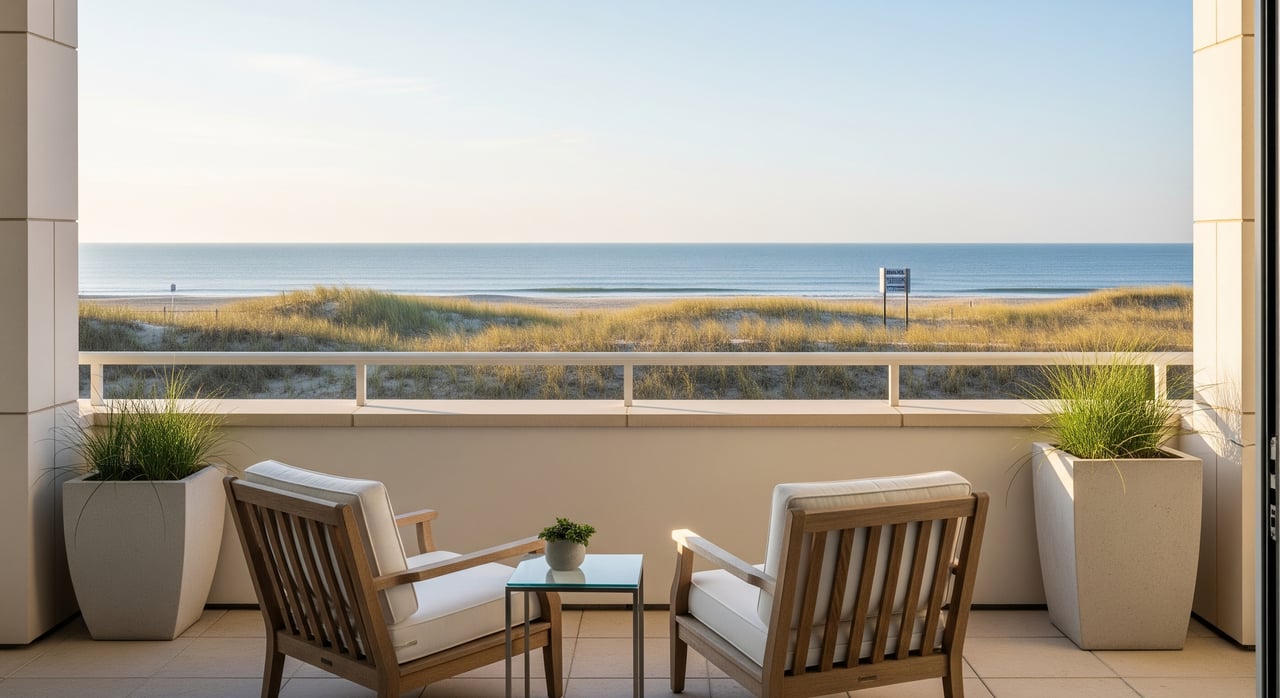
Westbrook offers a public Town Beach on Long Island Sound and multiple private beach associations along the shoreline. Public access, stickers and parking rules for the town beach differ from private association rules. Review details for the Town Beach on CTvisit, and confirm any private beach association membership, fees and privileges tied to a property address. For example, the Grove Beach Point Association publishes member information on its site.
As a bonus, Westbrook Town Beach has been recognized for strong water quality in statewide roundups, reinforcing the appeal of local swimming and recreation according to recent coverage.
Costs and fees to plan for
- Condos: Expect monthly HOA fees for common-area maintenance, landscaping, snow removal, master insurance and reserves. Associations can levy special assessments for capital projects, so review the budget and reserve study as permitted under the state condo statutes.
- Resort and timeshare programs: Annual maintenance fees are common and can increase over time. These fees typically continue even if you use the property less. The Connecticut DCP explains obligations and consumer protections in its timeshare FAQs.
Insurance and coastal risk
- Condo insurance: Association master policies cover the building and common areas, but you will need an HO-6 policy for interior finishes, personal property, liability and potential loss-assessment coverage. Flood damage is not included in standard condo policies and usually requires a separate policy. See this overview of condo insurance practices in CT.
- Flood zones: Westbrook includes AE and VE flood zones and areas of Moderate Wave Action. Confirm a property’s panel through the FEMA Flood Map Service Center and review the town’s coastal standards on the Zoning Commission page. The Connecticut Insurance Department also provides flood insurance basics that can help you discuss coverage with your insurer.
Financing and resale realities
- Condos: Conventional mortgages may require a project review. If a building has weak reserves, high delinquencies or inadequate insurance, financing can be harder and more expensive. Lenders often reference Fannie Mae’s Condo Project Manager standards and related project reviews.
- Timeshare and fractional: Timeshares rarely qualify for conventional mortgages. Developer or specialty financing is common, and resale markets are often thin. Fractional deeded shares may sometimes be financed but still face limited options. Learn the basics of fractional ownership and review DCP’s alert about timeshare resale scams before you buy or sell.
Taxes and special districts
Westbrook’s municipal mill rate was listed at 22.50 for 2024. Confirm the current mill rate and your property’s assessed value with the town’s Assessor before closing. Some shoreline neighborhoods are part of private beach associations or special taxing districts that levy separate dues or taxes. For example, certain obligations are outlined by the Grove Beach Point Association. Always verify any mandatory fees tied to an address.
Which option fits your goals?
- Full-time living: A fee-simple condo generally fits best and behaves like traditional residential real estate under Connecticut law.
- Weekend place with flexibility: A condo or a fractional deed can provide more control, financing options and potential resale than a timeshare.
- Resort convenience with set weeks: A timeshare may suit you if you value predictable vacation time and on-site services, but plan for ongoing fees and limited resale potential.
Westbrook buyer checklist
If you’re considering a condo
- Read the declaration, bylaws, rules, budget, reserve study, meeting minutes and recent financials under the state condo law.
- Get the master insurance declaration and deductible, then line up an HO-6 policy. Review flood needs with your insurer and check FEMA maps at the Flood Map Service Center. See CT’s condo insurance primer.
- Ask about owner-occupancy, rental limits and delinquency rates. Lenders look for red flags under project review standards.
- Confirm flood zones, elevation certificates and coastal permitting with Westbrook’s Zoning Commission.
- Verify beach access: public Town Beach or private association, plus any fees or stickers. Start with CTvisit’s West Beach page.
If you’re considering timeshare or fractional
- Confirm Connecticut DCP registrations, disclosures and rescission rights through the state’s timeshare pages.
- Review annual maintenance fees, escalation clauses and special assessment history in the resort documents. See the DCP timeshare FAQs.
- Research resale activity and avoid upfront-fee resale offers. See DCP’s warning on timeshare resale scams.
Commute and access perks
If you split time between Westbrook and work in New Haven, Guilford or New London, the CTrail Shore Line East station at 101 Norris Ave offers park-and-ride convenience near I-95. See schedules and parking at the Westbrook station page.
Ready to compare properties near the beach?
You deserve clear guidance that fits your lifestyle and budget. When you’re ready, connect with Clare Guest for a calm, step-by-step plan to evaluate condos, resort options and everything in between along the Connecticut Shoreline.
FAQs
Is a condo or timeshare better for full-time living in Westbrook?
- A condo is typically better for full-time living because it is deeded residential real estate governed by Connecticut condo law, while timeshares are designed for recurring vacation use and have different rules and financing.
Can I short-term rent a Westbrook beach-area condo?
- It depends on both the condo association’s bylaws and town regulations; verify policies with your HOA and review Westbrook’s Planning and Zoning guidance before assuming rental income.
Do shoreline condos face higher insurance or stricter lending?
- Yes, coastal buildings can have higher premiums and larger deductibles, and lenders may require stronger reserves and insurance to approve conventional financing; ask for the association’s insurance declarations early in your review.
What ongoing fees should I expect with a timeshare?
- Plan for annual maintenance fees that may rise over time and can continue regardless of your usage; the Connecticut DCP explains these obligations in its timeshare FAQs.
How do I check flood risk for a Westbrook property?